
That throbbing pain. The nagging ache that tells you something’s wrong. If you’re reading this, chances are you’re searching for relief from a tooth infection, and you want it now—preferably without a trip to the pharmacy.
You’ve probably heard that natural remedies can help. But here’s the honest truth: while nature provides some impressive infection fighters, not all “natural antibiotics” are created equal. Some are backed by real science. Others? Not so much.
So, what is the strongest natural antibiotic for tooth infection? After digging through the latest research and consulting dental experts, the answer might surprise you. It’s not a single miracle cure—it’s understanding which remedies actually work, how to use them safely, and most importantly, when natural options simply aren’t enough.
Let’s cut through the noise and get you the answers you need.
Understanding Tooth Infections: Why Natural Antibiotics Can Help (But Have Limits)
Before we dive into specific remedies, let’s get clear on what we’re dealing with. A tooth infection happens when bacteria invade the dental pulp—the soft inner part of your tooth containing nerves and blood vessels. This usually occurs through cavities, cracks, or gum disease .
Here’s the thing about tooth infections: they don’t go away on their own. Unlike a scraped knee where your body can heal itself, the inside of a tooth has no direct blood supply to fight bacteria. That’s why dental infections require real treatment.
Natural antibiotics can help in two ways:
- Reducing bacterial load temporarily
- Managing pain and inflammation while you seek professional care
But—and this is crucial—natural remedies are supportive measures, not substitutes for dental treatment. Think of them as the bridge, not the destination.
According to research published in the Journal of Clinical and Experimental Dentistry, natural compounds like certain essential oils and plant extracts show antibacterial properties comparable to chlorhexidine, a standard dental disinfectant . That’s promising! But “comparable in a lab” isn’t the same as “able to cure an established infection.”
Strongest Natural Antibiotic for Tooth Infection: Science-Backed Options
1. Clove Oil: The Gold Standard for Pain Relief
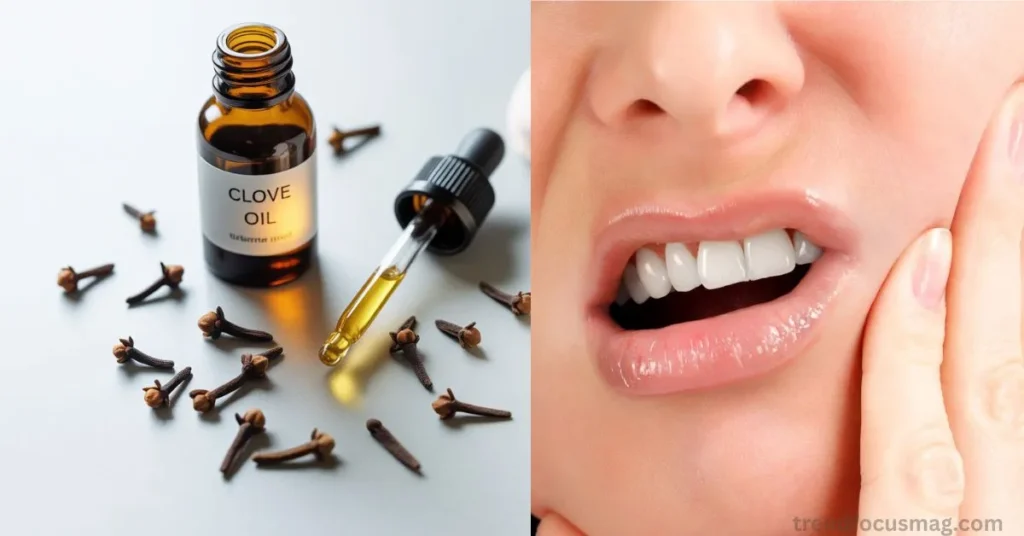
If there’s one natural remedy that deserves its reputation, it’s clove oil. The active compound, eugenol, has been used in dentistry for centuries—and modern dentistry still uses it!
Why it works: Eugenol provides both numbing (anesthetic) and antibacterial effects. A 2025 review highlighted that clove oil disrupts microbial cell membranes and inhibits biofilm formation .
How to use it: Dab 1-2 drops on a cotton ball and apply directly to the affected area for 15-20 minutes. Repeat 2-3 times daily.
Caveat: Clove oil is potent. Using too much can irritate gums or, if swallowed in large amounts, cause serious side effects like throat burning or dizziness .
2. Garlic: Nature’s Broad-Spectrum Fighter
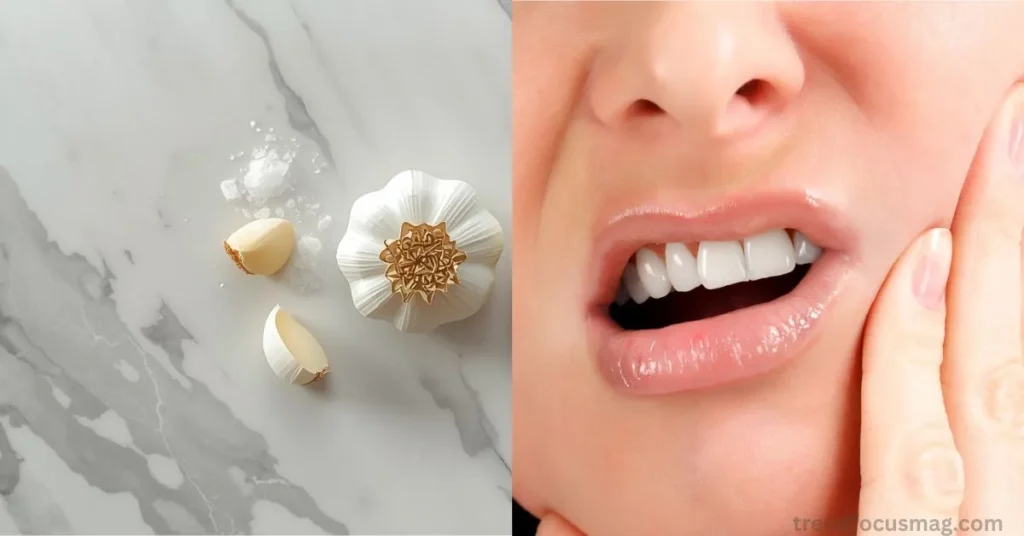
Your kitchen might hold one of the most powerful natural antibiotics available. Garlic contains allicin, a compound that forms when garlic is crushed or chewed.
Why it works: Allicin has demonstrated antimicrobial activity against various oral pathogens, including Streptococcus mutans—a primary culprit in tooth decay .
How to use it: Crush a fresh garlic clove into a paste (mix with a pinch of salt) and apply to the affected area for a few minutes. Rinse thoroughly afterward.
Caveat: Garlic can burn sensitive gum tissue. Limit contact to 5-10 minutes maximum.
3. Turmeric Paste: Anti-Inflammatory Powerhouse
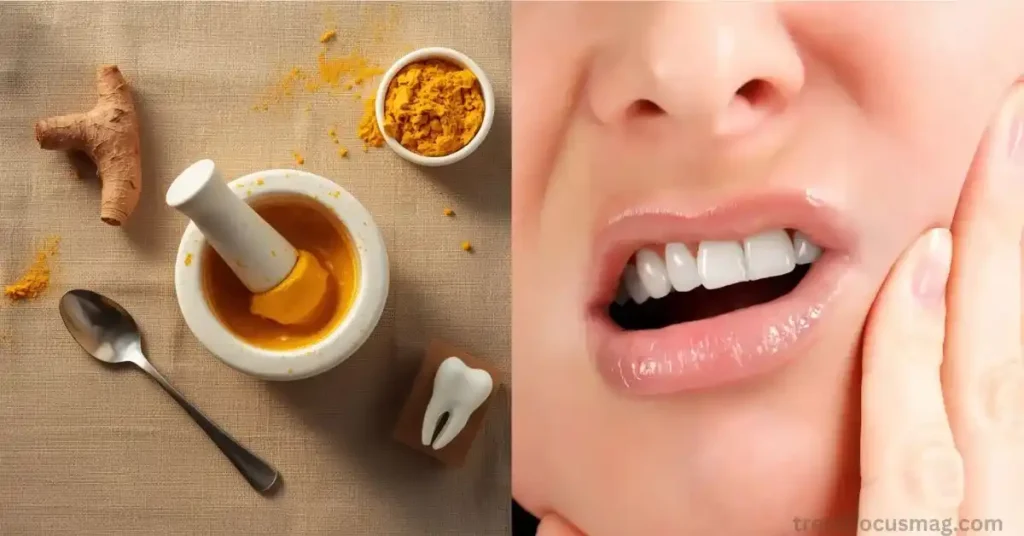
Turmeric isn’t just for cooking—it’s a medicinal herb with serious credentials. The active compound, curcumin, offers both antibacterial and anti-inflammatory benefits .
Why it works: Curcumin inhibits bacterial growth while reducing the inflammatory response that causes pain and swelling .
How to use it: Mix 1 teaspoon of turmeric powder with a few drops of water to form a paste. Apply to gums, leave for 5 minutes, then rinse. Use 2-3 times weekly.
4. Oil Pulling with Coconut Oil: Ancient Practice, Modern Science
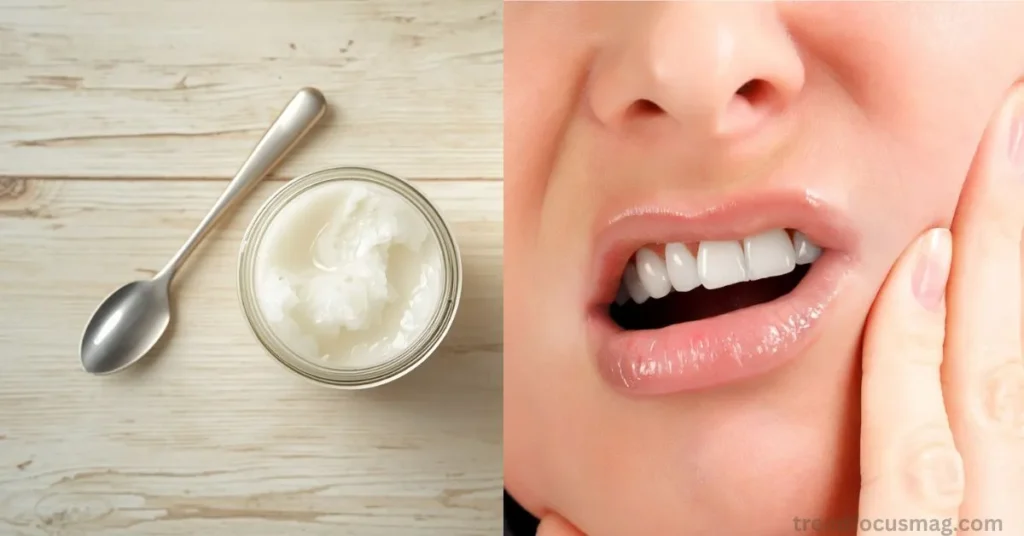
Oil pulling has been used in Ayurvedic medicine for thousands of years. While it won’t cure an advanced infection, research suggests it reduces harmful bacteria in the mouth .
Why it works: Coconut oil contains lauric acid, which has antimicrobial properties. Swishing helps “pull” bacteria from surfaces.
How to use it: Swish 1 tablespoon of coconut oil in your mouth for 10-15 minutes (don’t swallow!), then spit into a trash can (not the sink—it can clog pipes).
5. Salt Water Rinse: Simple but Effective
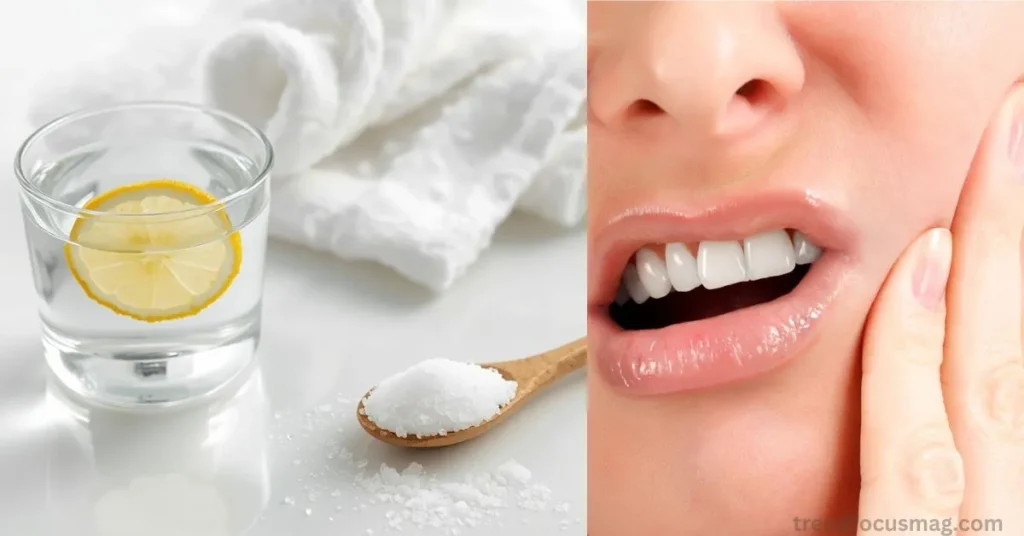
Sometimes the simplest remedies are the most practical. A salt water rinse won’t kill bacteria like pharmaceutical antibiotics, but it creates an environment where bacteria struggle to thrive .
Why it works: Salt creates a hypertonic environment that draws fluid out of bacteria, inhibiting their growth. It also helps wash away debris and pus .
How to use it: Mix ½ teaspoon of salt in a glass of warm water. Swish for 30 seconds, then spit. Repeat 2-3 times daily.
6. Oregano Oil: Potent Antimicrobial
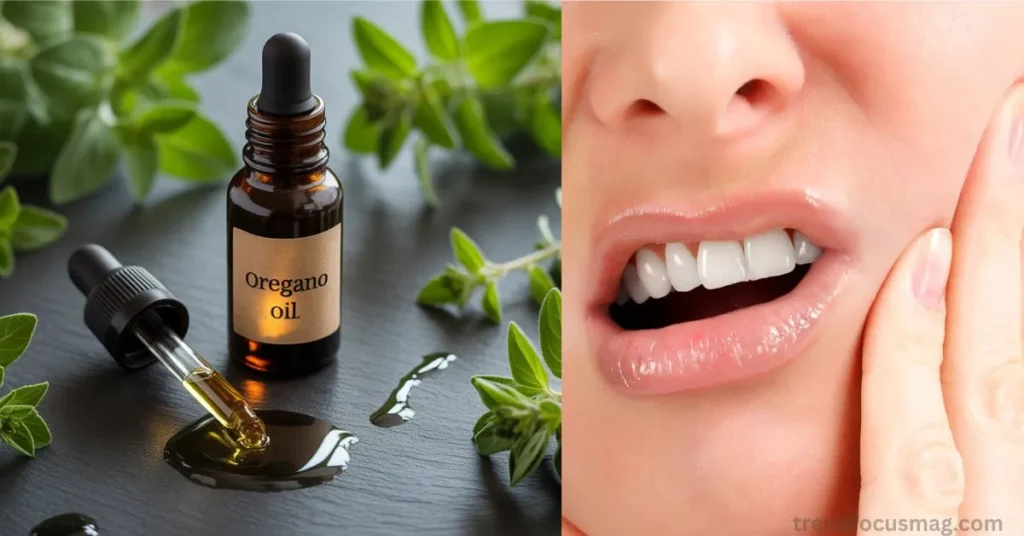
Recent research has identified oregano oil as particularly effective against oral pathogens. A 2024 study found that Origanum vulgare demonstrated high antibacterial activity against oral bacteria, with minimum inhibitory concentrations as low as 0.04 mg/mL .
Why it works: Carvacrol and thymol, the main compounds in oregano oil, disrupt bacterial cell membranes.
How to use it: Dilute 2-3 drops of oregano oil in a carrier oil (like coconut oil) and apply to the affected area.
7. Tea Tree Oil: Biofilm Buster
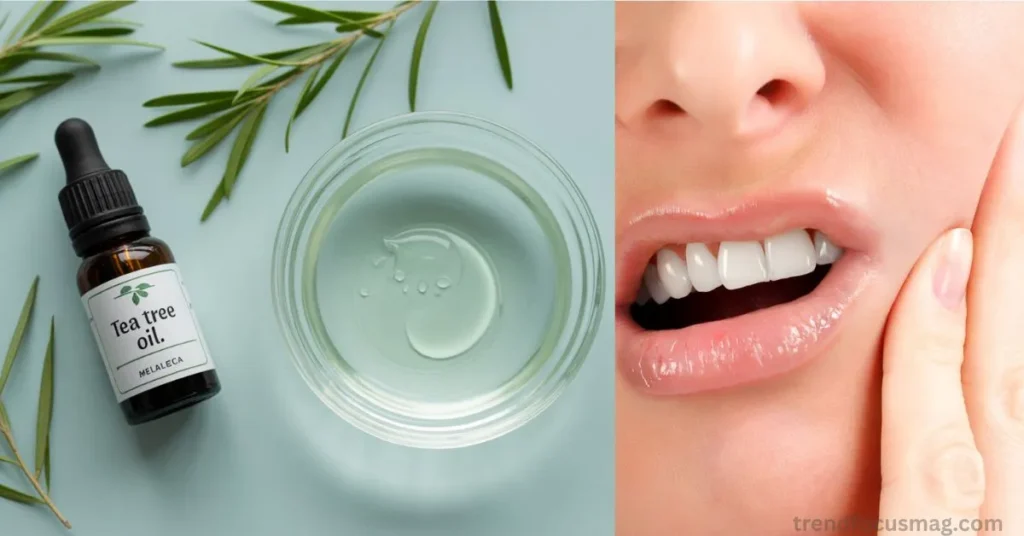
Tea tree oil (Melaleuca alternifolia) has earned its place in natural medicine for good reason. Research shows it reduces bacterial attachment and disrupts biofilm formation .
Why it works: Terpinen-4-ol, the active component, penetrates biofilms and kills bacteria within.
How to use it: Always dilute! Add 2-3 drops to water for rinsing or mix with carrier oil for direct application.
Comparison Table: Natural Antibiotics for Tooth Infections
| Remedy | Key Active Compound | Primary Benefit | Research Support | Frequency |
|---|---|---|---|---|
| Clove Oil | Eugenol | Pain relief + antibacterial | Strong | 2-3x daily |
| Garlic | Allicin | Broad-spectrum antimicrobial | Moderate | As needed |
| Turmeric | Curcumin | Anti-inflammatory | Moderate | 2-3x weekly |
| Oregano Oil | Carvacrol, thymol | Potent antibacterial | Emerging | Diluted, 1-2x daily |
| Salt Water | Sodium chloride | Wound cleansing | Strong | 2-3x daily |
| Oil Pulling | Lauric acid | Bacterial reduction | Moderate | 3-4x weekly |
| Tea Tree Oil | Terpinen-4-ol | Biofilm disruption | Moderate | Diluted, 1-2x daily |
Expert Analysis: What Dentists Want You to Know
To give you the full picture, I reached into the research to understand how these natural options compare to conventional treatment.
The “Strongest” Title: Oregano Oil vs. Clove Oil
Based on recent laboratory studies, oregano oil shows the most potent antibacterial activity against oral pathogens . However—and this matters—lab potency doesn’t always translate to real-world effectiveness. Clove oil remains the most practical choice for most people because it combines antibacterial action with superior pain relief.
The Synergy Factor
Here’s something fascinating: natural compounds often work better together. A 2024 study found that combinations of plant extracts showed enhanced activity compared to individual components . This supports the traditional use of herbal formulas rather than single compounds.
The Chlorhexidine Comparison
Several studies compare natural options to chlorhexidine, the prescription mouthwash considered the gold standard for oral disinfection. While chlorhexidine remains more consistently effective, some plant extracts—particularly rosemary and oregano—demonstrated comparable activity against certain bacteria .
A Cautionary Finding
Research published in the Postgraduate Medical Journal compared antibiotics, toothpaste, and plant extracts against oral bacteria. Their finding? Antibiotics showed the strongest effects, followed by toothpaste, with plant extracts showing the lowest activity. This reinforces the message: natural doesn’t mean stronger when it comes to serious infections.
The Biofilm Challenge
Tooth infections involve biofilms—organized bacterial communities that resist treatment. Biofilms can be up to 1,000 times less susceptible to antimicrobials than free-floating bacteria . This explains why topical natural remedies often can’t reach bacteria deep within a tooth.
When Natural Remedies Aren’t Enough: Red Flags
I need to be direct with you about something important. A tooth infection left untreated can spread to your jaw, neck, or even bloodstream—a life-threatening condition called sepsis.
See a dentist immediately if you experience:
- Fever or high temperature
- Swelling in your face, neck, or jaw
- Difficulty breathing or swallowing
- Confusion or general feeling of illness
- Rapid heart rate
- Pain that worsens despite remedies
Natural antibiotics can buy you time and provide relief, but they cannot:
- Remove infected pulp tissue
- Drain an abscess
- Cure an infection that has spread beyond the tooth
How to Use Natural Antibiotics Safely
Dilution Is Non-Negotiable
Essential oils are highly concentrated. Using them undiluted can cause chemical burns to your gums. Always mix with a carrier oil (coconut, olive, or almond oil) at a ratio of about 1 drop essential oil to 1 teaspoon carrier oil.
Don’t Swallow
Natural doesn’t mean safe to ingest in large amounts. Many essential oils can be toxic if swallowed. Spit out rinses and avoid swallowing anything you apply to the infected area.
Watch for Allergic Reactions
Test a small area first. If you notice increased redness, swelling, or itching, discontinue use.
Short-Term Use Only
Natural remedies are for temporary relief—days, not weeks. If you’ve been self-treating for more than 3-5 days without improvement, you need professional care.
The Ayurvedic Herbal Tooth Powder That Transformed My Friend’s Dental Health
— vaidya parampara (@vaidyaparampara) December 3, 2025
Tired of dental problems like cavities, gum pain, or tooth sensitivity?
Here’s a 100% natural, effective, and affordable homemade tooth powder that strengthens your teeth and heals gums straight from… pic.twitter.com/01SUcSbCy5
Conclusion
So, what is the strongest natural antibiotic for tooth infection? Based on current research, oregano oil shows the most potent antibacterial activity in laboratory settings, while clove oil remains the most practical choice for combining antimicrobial effects with pain relief .
But here’s what matters most: natural antibiotics are powerful allies, not miracle workers. They can reduce pain, lower bacterial counts, and buy you time. They cannot replace the drill, the drain, or the prescription that only a dentist can provide.
Think of natural remedies as your first aid kit—essential for immediate response, but never the final solution. Your teeth deserve professional care, and you deserve the peace of mind that comes with proper treatment.
Have you tried any of these remedies? Did they help? Remember, your experience can help others—but please, see that dentist first.
Frequently Asked Questions
Can a tooth infection heal without antibiotics?
No, a true tooth infection (affecting the dental pulp) cannot heal without professional treatment. The infection may temporarily seem better, but it will continue spreading without proper dental intervention .
What kills a tooth infection naturally?
Natural remedies like clove oil, garlic, and turmeric can reduce bacteria and manage pain, but they cannot “kill” an established infection inside a tooth. They’re best used as supportive care while seeking dental treatment .
Is hydrogen peroxide safe for tooth infections?
Diluted hydrogen peroxide (equal parts 3% peroxide and water) can be used as a rinse to reduce bacteria and clean the area. However, it shouldn’t be swallowed and isn’t a cure for infection .
How long does it take for natural antibiotics to work on a tooth infection?
You may feel pain relief within hours from remedies like clove oil. However, natural treatments won’t resolve the underlying infection—only dental treatment can do that.
What’s the fastest way to stop a toothache from an infection?
Clove oil provides the fastest pain relief due to its numbing properties . Combine with OTC anti-inflammatories like ibuprofen (if safe for you) and see a dentist promptly.
External Resources:
- For more on oral microbiome health, visit the American Dental Association
- Research on natural products in dentistry: National Center for Complementary and Integrative Health
- Find a dentist near you: American Academy of Periodontology
This article is for informational purposes only and does not constitute medical advice. Always consult with a qualified healthcare professional for diagnosis and treatment of dental conditions.
More from TrendFocusMag:
FCPS Weather Alerts Closings & Delays
Are Whitening Strips Bad For Your Teeth?
Can Cats See in the Dark? A Cozy Look at Feline Night Vision

Our mission is to provide timely, trustworthy, and impactful stories that help our audience stay informed in a fast-moving world.