
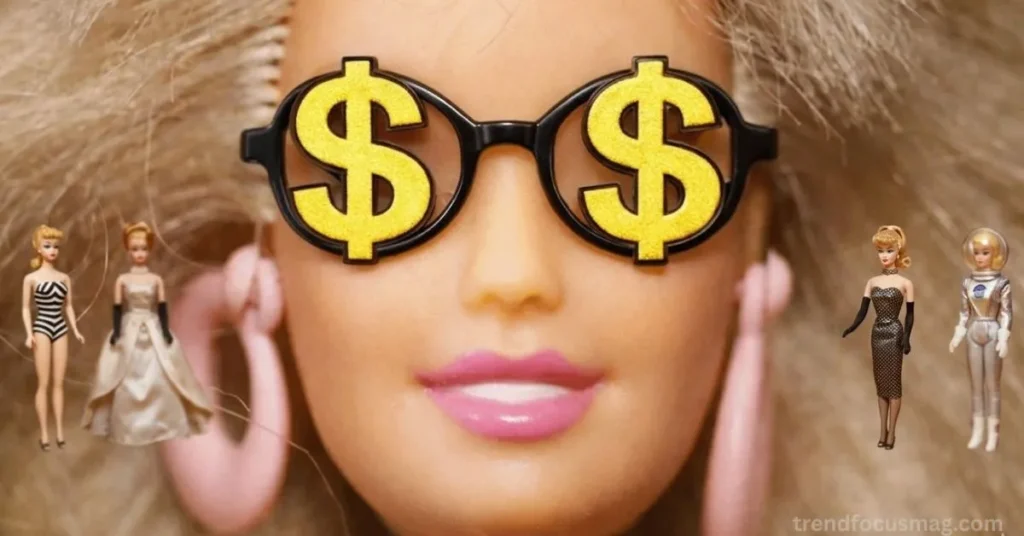
How Barbie Became A $1 Billion-A-Year Brand: For over six decades, Barbie has been more than just a doll—she’s a cultural icon. Mattel has sold more than 1 billion Barbies worldwide, making it the bestselling fashion doll in history. But lately, things aren’t looking so pretty in pink.
In February 2025, Mattel’s stock plunged 25% in a single day—the biggest drop since 1999. The culprit? Disappointing holiday sales, with Barbie falling significantly short of projections. This marks the second consecutive year of declining Barbie sales, raising a critical question: Is this just another temporary setback, or a sign that traditional toys are losing their magic?
Barbie has survived cultural backlash, fierce competition from Bratz dolls, and changing social norms since 1959. But today’s challenges are different. Kids are glued to screens, digital entertainment dominates, and retailers are cautious about inventory. Let’s explore how Barbie keeps reinventing herself and whether she can stage another comeback.
The Birth of an Icon: How Barbie Changed Play Forever
When Mattel co-founder Ruth Handler invented Barbie in the 1950s, she noticed something interesting. Her daughter Barbara (yes, Barbie was named after her!) loved playing with paper dolls of adult women. At the time, most dolls were babies or toddlers.
Handler realized girls wanted to imagine their future selves—not just practice being moms. She once explained, “They could fantasize about being teenagers or young adults. They did not have to fantasize about being moms or wives.”
Mattel also revolutionized toy marketing by advertising directly to children on television. This strategy helped sell over 300,000 Barbies in 1959 alone. By 1991, Mattel reported that 95% of American girls aged 3 to 11 owned multiple Barbies. The doll’s dominance seemed unshakeable.
The story of Barbie’s birth pic.twitter.com/RLv3FdTS6B
— ViralRush ⚡ (@tweetciiiim) March 17, 2026
The Bratz Challenge: Barbie’s First Real Crisis
For decades, Barbie ruled uncontested. But the early 2000s brought trouble in the form of Bratz dolls. These edgy, fashion-forward dolls featured:
- Larger heads and fuller lips
- Diverse skin tones and hairstyles
- More urban, trendy clothing
- A cast of characters with distinct personalities
Bratz resonated with tweens who found Barbie too perfect and outdated. By the mid-2000s, Bratz captured about 40% of the fashion doll market and generated an estimated $1 billion in annual sales. Mattel suddenly had a serious competitor.
The battle turned legal, with Mattel suing Bratz creator Carter Bryant for allegedly developing the concept while employed at Mattel. Years of lawsuits followed, but the damage was done—Barbie’s crown had slipped.
Barbie’s Survival Strategy: How Barbie Became A $1 Billion-A-Year Brand
By 2015, Barbie sales hit a 25-year low of $900 million, down over 50% from their 1997 peak. Mattel realized the brand needed urgent transformation.
Diversity and Inclusion
In 2015, Mattel launched the most significant change in Barbie’s history: new body types. Suddenly, Barbie came in:
- Curvy, tall, and petite versions
- Over 30 skin tones
- 22 eye colors
- 24 hairstyles
This wasn’t just about ticking boxes. Research showed that children wanted to see themselves in their toys. The Fashionistas line, featuring dolls with vitiligo, wheelchairs, and prosthetic limbs, became a massive hit.
The Art of Doll Making
Creating a Barbie today is surprisingly complex. Brian Maldonado, who sculpts Barbie heads at Mattel, describes the process: “The biggest challenge I have—every Barbie character has their own different kind of skin tone.” Each head requires custom color matching.
Shirley Fujisaki, Barbie’s lead hair designer for 19 years, uses surprising tools. “Our favorite and best tool that we use every day is this pet brush, which is amazing,” she reveals. “You would think a pet brush wouldn’t smooth out the hair, but it does an amazing job.”
The team has developed over 100 hairstyles in the last decade. Some designs, like dolls with hair styled into kitty ears, require up to 10 iterations before approval.
For more on how toys are designed, check out this fascinating behind-the-scenes look at toy manufacturing.
The Barbie Movie Phenomenon
When the Barbie movie hit theaters in 2023, nobody predicted its cultural impact. Starring Margot Robbie and directed by Greta Gerwig, the film grossed approximately $1.44 billion worldwide.
The movie accomplished something remarkable—it brought Barbie back into mainstream conversation. Nostalgic millennials flocked to theaters dressed in pink. Parents who grew up with Barbie introduced her to their children.
Why did the movie work? It acknowledged Barbie’s complicated legacy while celebrating her potential. It was self-aware, funny, and surprisingly deep. For the first time in years, Barbie felt culturally relevant again.
However, the movie’s success created a challenge: sky-high expectations. When sales didn’t maintain that momentum, the disappointment felt worse than it might have otherwise.
The Collector Market: Adults Love Barbie Too
One surprising demographic keeping Barbie alive? Adults. Mattel reports that about 13% of US sales come from grown-ups buying for themselves.
Mark Leer, a longtime collector in Queens, New York, has turned passion into business. He designs custom outfits for vintage dolls, selling items like handmade kimonos for around $85. His collection includes hundreds of vintage dolls worth tens of thousands of dollars.
His most prized possession? A German “Lily” doll from 1955—the inspiration for the first Barbie. He paid $3,000–4,000 for this piece of history. Ruth Handler reportedly spotted a similar doll while vacationing in Switzerland with her family.
Today, collectors like Mark buy accessories on Etsy and eBay—sometimes spending $20 for tiny shoes. As he explains, “When you get older, you want to have something to feel like your childhood feel.”
The collector market offers interesting parallels to other nostalgic brands. Learn more about why adults collect childhood toys.
Current Challenges: Why Are Sales Dropping?
Despite the movie buzz, Barbie sales slid 11% in 2025—the second straight decline. Several factors explain this slump:
| Challenge | Impact |
|---|---|
| Digital competition | Kids spend more time on tablets, phones, and gaming |
| Retailer caution | Stores delayed orders due to tariff uncertainty |
| Post-movie letdown | Sales couldn’t maintain 2023’s extraordinary levels |
| Hasbro’s gaming focus | Competitor diversified into digital, softening their decline |
| Inventory issues | Mattel rushed shipments, but stores couldn’t sell fast enough |
The toy industry overall has cooled after a pandemic-era boom. But Mattel’s reliance on physical toys makes it more vulnerable than competitors who’ve diversified.
Hasbro, which owns brands like Monopoly and Dungeons & Dragons, has aggressively expanded into digital gaming. This provides revenue even when traditional toy sales dip. Mattel has been slower to follow this path.
For perspective on the broader toy industry, check this analysis of toy industry trends.
What’s Next for Barbie?
Wall Street’s reaction to Mattel’s stock drop sends a clear message: investors want to see digital growth. When a stock falls 20% rapidly, it signals that the market questions the company’s core business.
So what should Mattel do?
- Accelerate digital gaming – Barbie mobile games, online experiences, and interactive content could engage kids where they already spend time
- Leverage the movie’s success – Sequels, streaming content, and partnerships can maintain momentum
- Expand the collector market – Adults have money and nostalgia; limited editions and premium products tap this
- Innovate physical toys – Smart dolls, AR experiences, and connected play bridge physical and digital
Mattel has shown it can reinvent Barbie before. The question is whether another reinvention can work in today’s digital-first world.
Key Takeaways
- Barbie has survived 67 years through constant reinvention and cultural adaptation
- The 2023 movie was a massive success, grossing $1.44 billion and reigniting interest
- Adult collectors now drive 13% of sales, showing the brand’s multigenerational appeal
- Sales declined 11% in 2025 due to digital competition, retailer caution, and post-movie normalization
- Mattel faces pressure to diversify into gaming, following Hasbro’s example
- The brand’s history of overcoming challenges suggests another comeback is possible—but not guaranteed
Conclusion
Barbie has been counted out before. After the Bratz invasion, after the 2015 sales low, after countless cultural critiques—she always bounced back. But today’s challenges feel different because they’re not just about Barbie. They’re about how children play in 2025.
The brands that thrive will be those that meet kids where they are: on screens, in digital worlds, and yes, sometimes with physical toys too. Mattel has an opportunity to reimagine Barbie for a new generation—not by abandoning her legacy, but by building on it.
Whether you’re a collector, a parent, or just someone who loves a good comeback story, keep watching. Barbie isn’t done yet.
What do you think? Can Barbie make a comeback in the digital age? Share your thoughts in the comments below!
Frequently Asked Questions
1. Why are Barbie sales declining?
Sales have dropped due to increased digital entertainment competition, retailer inventory caution after tariff concerns, and naturally cooling demand after the 2023 movie boom.
2. How many Barbies have been sold?
Mattel has sold over 1 billion Barbie dolls worldwide since 1959, making it the bestselling fashion doll in history.
3. What new Barbie diversity options are available?
Today’s Barbies come in over 30 skin tones, multiple body types (curvy, tall, petite), and include dolls with vitiligo, wheelchairs, and prosthetic limbs.
4. How much did the Barbie movie make?
The 2023 Barbie movie grossed approximately $1.44 billion globally, becoming a cultural phenomenon and reigniting interest in the brand.
5. Do adults really buy Barbies for themselves?
Yes! Mattel reports about 13% of US sales come from adults buying for their own collections, with some vintage dolls worth thousands of dollars.
More from TrendFocusMag:
About Filkizmiz253: A Digital Identity Explained
Jones MyGreenBucks Net Review 2026: Proven Powerful Strategies for Fast Online Earnings

Our mission is to provide timely, trustworthy, and impactful stories that help our audience stay informed in a fast-moving world.