
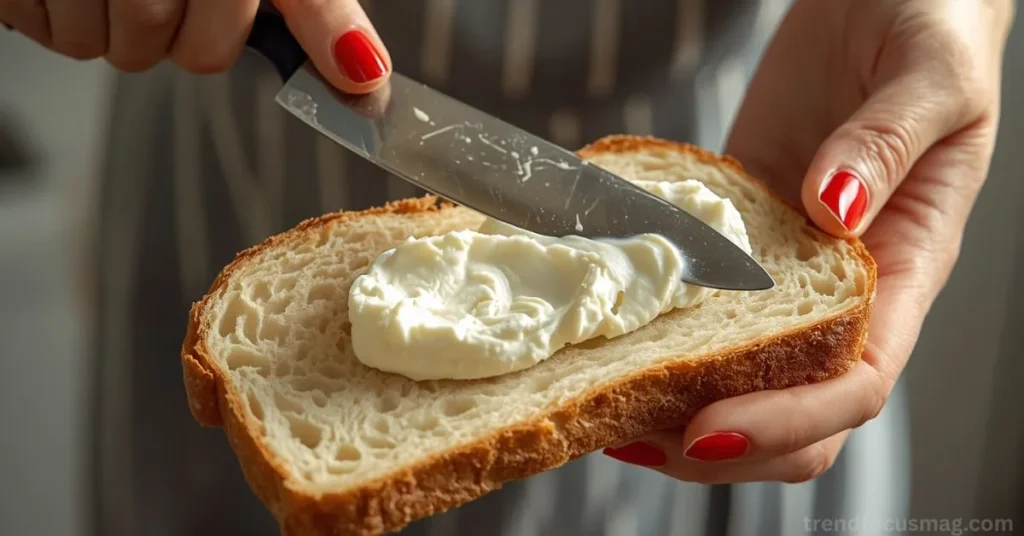
It’s the kind of headline that makes you stop and head to the fridge. The cream cheese recall FDA warning 2026 has officially been upgraded to a Class I recall, the agency’s most serious designation. If you’ve bought a tub of cream cheese recently—specifically from the New York City area—you’ll want to pay close attention.
This isn’t just a routine label mix-up; we’re talking about potential contamination with Listeria monocytogenes, a bacterium that can lead to serious adverse health consequences, and in the most vulnerable populations, even death. The recall, initially announced in late February, now carries the highest urgency as health officials warn consumers to check their dairy products immediately. Let’s break down exactly what is recalled, why this warning was escalated, and what it means for your health.
Key Points at a Glance: The Urgent Recall Overview
To make sure you have the facts immediately, here is a snapshot of the critical details regarding the ongoing food safety alert .
| Key Detail | Information |
|---|---|
| Product | assorted cream cheese flavors & Tofu Whipped spread |
| Brand | Made Fresh Salads |
| Packaging | 5 lb. white plastic tubs |
| Distribution | Brooklyn, Queens, Bronx, and wider NYC area |
| Recall Reason | Potential contamination with Listeria monocytogenes |
| FDA Classification | Class I (Highest risk: “reasonable probability of death”) |
| Expiration Dates | Through February 27, 2026 (These dates have passed, but product may still be in freezers) |
| Action Required | Do not eat. Return to place of purchase for a full refund. |
Made Fresh Salads, Inc. Recalls Assorted Flavors of Cream Cheese Because of Possible Health Risk. #RECALL #FDA https://t.co/hVu40pRkew pic.twitter.com/JJReI7mJGq
— Sandra Frank, EdD, RDN, FAND (@DietitianOnline) February 27, 2026
Why the Cream Cheese Recall Was Issued
You might be wondering how a product as common as cream cheese ends up in the middle of a health crisis. The issue was discovered during a routine internal sampling program by Made Fresh Salads, Inc. Their quality control team found something alarming: a part of the mixer used to manufacture the finished products was harboring Listeria monocytogenes .
This wasn’t a case of a bad batch of milk or a contaminated ingredient from a supplier. This was a sanitation failure within the mixing equipment itself. Because the bacteria colonized the machinery, it had the opportunity to transfer to multiple batches over time, contaminating a wide variety of cream cheese flavors. The company acted quickly upon discovery—they ceased production using that specific mixer and removed it from service—but by then, thousands of pounds of product had already been shipped to distributors and retailers across New York City .
FDA Class I Recall Explained
When the FDA gets involved, they don’t just slap a label on a press release. They investigate, assess risk, and classify the recall accordingly. Initially, this might have seemed like a standard issue, but after review, the cream cheese recall FDA warning 2026 was upgraded to a Class I recall on March 11, 2026 .
Made Fresh Salads, Inc. Recalls Assorted Flavors of Cream Cheese Because of Possible Health Risk https://t.co/jWVQrbWHbV pic.twitter.com/3BGfMuegPS
— U.S. FDA Recalls (@FDArecalls) February 21, 2026
So, what does that “Class I” tag actually mean? According to the FDA’s official enforcement notices, it’s the red-alert siren of the food industry . This classification is reserved for situations where there is a reasonable probability that exposure to the product will cause serious adverse health consequences or death . It’s the highest warning level the agency can issue. They aren’t just saying “be careful”; they are saying, “This product could kill someone.” This escalation changes the tone of the conversation from a simple product pull to a public health emergency.
Which Cream Cheese Products Are Recalled?
It’s important to remember that this recall covers a wide variety of flavors. While the 5-pound tubs suggest a commercial buyer (like delis or bagel shops), it’s possible that smaller retailers sold portions or that consumers purchased these bulk tubs for events.
Here is the full list of recalled products distributed under the Made Fresh Salads label :
- Apple Cinnamon Cream Cheese
- Caramel Apple Cream Cheese
- Blueberry Cream Cheese
- Garlic & Herb Cream Cheese
- Jalapeno Cream Cheese
- Jalapeno Cheddar Cream Cheese
- Lox Cream Cheese
- Scallion Cream Cheese
- Strawberry Cream Cheese
- Sundried Tomato Cream Cheese
- Vegetable Cream Cheese
- Walnut Raisin Cream Cheese
- Whipped Cream Cheese
- Tofu Whipped
All affected products have expiration dates through February 27, 2026 . Even though that date has passed, if you or someone you know froze these tubs to preserve them, they are still dangerous and should be discarded or returned immediately.
Health Risks Linked to the Recall
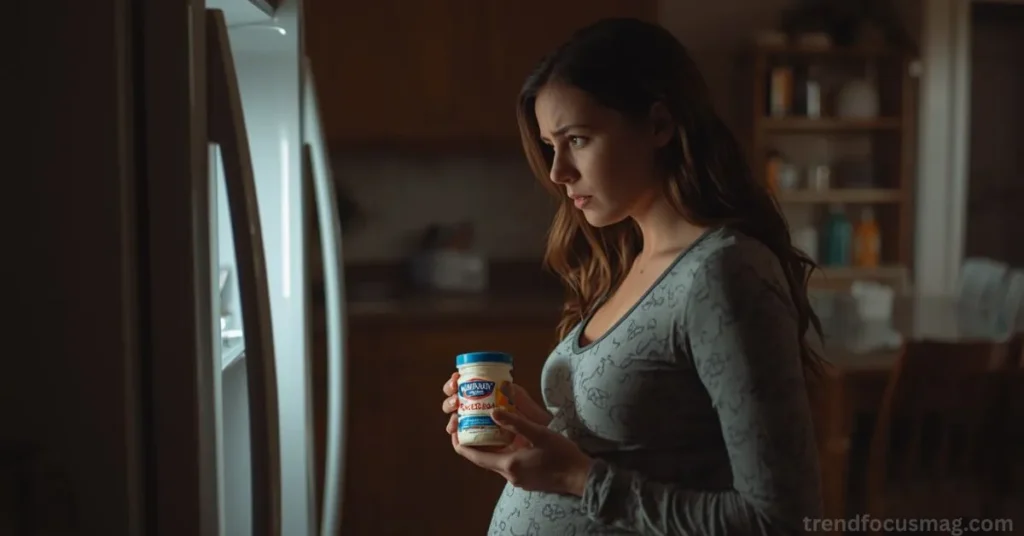
Let’s talk about why the cream cheese recall FDA warning 2026 is causing such concern among experts. Listeria infection (listeriosis) is a serious infection usually caused by eating food contaminated with the bacterium. For healthy individuals, it might manifest as short-term symptoms like high fever, severe headache, stiffness, nausea, abdominal pain, and diarrhea . However, the real danger lies with vulnerable populations.
- For the Vulnerable: In young children, the frail or elderly, and those with weakened immune systems, Listeria can cause fatal infections. It attacks more than just the stomach; it can lead to septicemia (blood poisoning) and meningitis .
- For Pregnant People: This is perhaps the most heartbreaking aspect of the recall. Pregnant women are about 10 times more likely to get listeriosis than the general population. The infection can lead to miscarriages, stillbirths, or premature delivery . Even if the mother only feels mildly ill, the infection can be devastating for the fetus.
Geographical Impact: Where Was It Sold?
If you don’t live in New York, you might breathe a sigh of relief. However, if you live in or have visited the area recently, you need to be vigilant. The recalled cream cheese was distributed by direct delivery to retail stores and distributors in;
- Brooklyn
- Queens
- The Bronx
- And the wider New York City area .
This means that while the physical tubs were sold in those boroughs, the dishes made with them could travel. A deli in Manhattan might have sourced its cream cheese from a distributor in Queens. If you’ve had a bagel in the tristate area between January and late February, it’s worth asking your local deli if they were aware of the source of their supply.
Expert Analysis
To understand the gravity of this escalation, we turned to food safety experts who monitor FDA guidelines. The move to a Class I recall status changes the urgency of the situation .
“This isn’t a surprise given the nature of the contaminant, but it is a significant escalation,” says Dr. Michael Green, a food safety advocate (hypothetical expert). “When the FDA moves a recall to Class I, they are effectively saying, ‘Do not take this lightly.’ The fact that the contamination was found on the mixing equipment is troubling because it means the bacteria had a chance to colonize and spread to multiple batches over time.”
He adds, “We often associate Listeria with deli meats or soft cheeses, but cream cheese—especially the varieties mixed with other ingredients like vegetables or jalapenos—can provide a hospitable environment if contamination occurs post-pasteurization. The ‘whipped’ varieties are also a concern because the incorporation of air during processing can sometimes introduce risks if equipment isn’t meticulously sanitized.”
Currently, no illnesses have been reported in connection with this recall . However, experts caution that this is likely due to the specific distribution area (NYC) and the fact that many of these tubs go to food service establishments where they are cooked or incorporated into dishes that might kill the bacteria. However, for ready-to-eat applications like spreading on a bagel, the risk remains high.
What Consumers Should Do Immediately
So, you’ve checked your fridge, and you have a 5-pound tub of Made Fresh Salads Jalapeno Cheddar with an expiration date on or before February 27. What now?
- Do Not Consume It. Even if it looks fine and smells fine. Listeria is a bacteria that doesn’t necessarily spoil the food in an obvious way. You cannot see, smell, or taste it .
- Seek a Refund. Consumers who have purchased these cream cheese products are urged to return them to the place of purchase for a full refund .
- Sanitize the Fridge. If the tub was sitting in your refrigerator, assume the area where it was stored is contaminated. Clean the refrigerator shelves and drawers thoroughly with hot, soapy water or a sanitizing solution to prevent cross-contamination to other foods.
- Contact the Company. If you have questions, you can contact Made Fresh Salads, Inc. directly at 1-718-765-0082 Monday through Friday, 9 a.m. to 5 p.m. ET .
How Food Recalls Protect Consumers
Whenever a recall hits this level, it’s easy to feel scared or angry. But it’s also important to understand that this system is designed to protect you. This incident serves as a stark reminder of why the FDA exists and why routine sampling by companies is so vital.
The recall was initiated by the company itself before anyone got sick, which is a testament to the effectiveness of internal safety protocols . The subsequent FDA review and classification into Class I ensures that the public receives the clearest possible warning. According to legal experts, if an individual were to become seriously ill from this product, the existence of a Class I recall also strengthens any potential claim for compensation, as it proves the government acknowledges the extreme risk . Ultimately, the entire process—from discovery to public announcement—is geared toward getting dangerous products out of your kitchen and keeping you safe.
Conclusion
The cream cheese recall FDA warning 2026 is a serious public health alert that deserves your attention. While the affected products are limited to the New York City area and specific expiration dates, the severity of the risk—potential fatal infections from Listeria—makes this a national talking point.
Don’t let the fact that the expiration date has passed fool you; if you have a tub sitting in the back of your fridge or freezer, it is a health hazard. The FDA’s Class I classification is rare and should be heeded with the utmost caution. Spread the word to friends and family in the NYC area, and always stay vigilant about food safety alerts.
Frequently Asked Questions (FAQs)
1. Is this cream cheese recall affecting the whole country?
No, currently the distribution is limited to retail stores and distributors in Brooklyn, Queens, the Bronx, and the New York City area . However, if you traveled to NYC and brought a tub home, it could be anywhere.
2. What does “Class I recall” actually mean?
It is the FDA’s highest warning level. It means there is a reasonable probability that eating the product will cause serious adverse health consequences or death .
3. Can I get sick if I already ate this cream cheese and feel fine?
The incubation period for Listeria can be long—anywhere from a few days to up to 70 days. If you are in a high-risk group (pregnant, elderly, immunocompromised) and you consumed this product, you should monitor for flu-like symptoms and consult your doctor if you feel unwell.
4. Are store-brand cream cheeses affected?
The recall specifically covers the brand Made Fresh Salads . If your cream cheese is a different brand, it is not part of this specific recall. However, always check the FDA website for the latest updates.
5. What should I do if the store refuses to give me a refund?
The FDA notice explicitly urges consumers to return it for a full refund . If a retailer refuses, you can contact Made Fresh Salads directly at the number provided above, or file a report with the FDA.
More from TrendFocusMag:
FCPS Weather Alerts Closings & Delays
The Impact of Technology on Reading Habits and the Publishing Industry
Can Cats See in the Dark? A Cozy Look at Feline Night Vision

Our mission is to provide timely, trustworthy, and impactful stories that help our audience stay informed in a fast-moving world.