
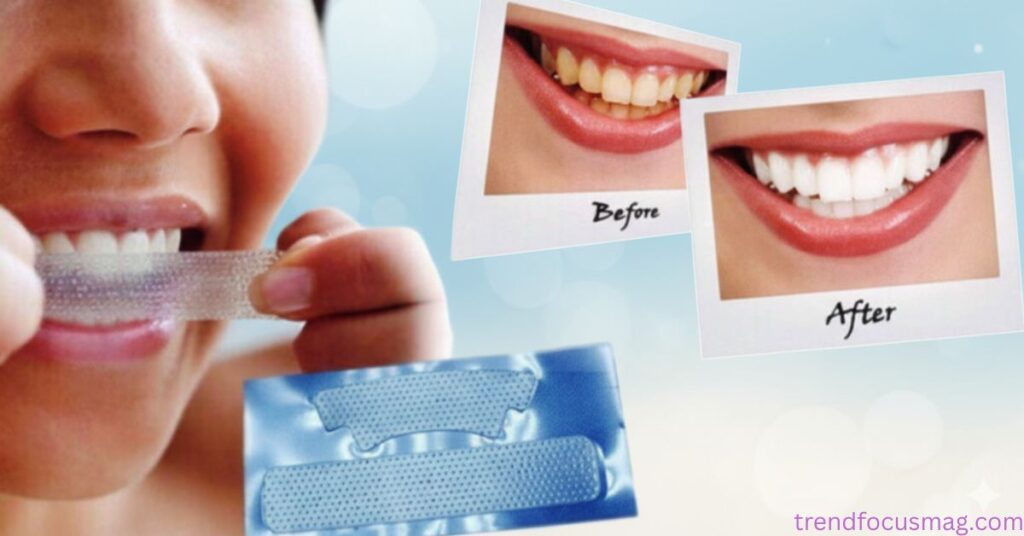
A whitening strip is a gel based on peroxide on a thin and flexible strip. They are applied to teeth to make them white by eliminating the stains on the enamel. The strips are very simple to use at home and can make you smile in a few days or weeks.
However, are whitening strips bad for your teeth? There is a lot of concern that their excessive use might damage the enamel, the coating of the outer side of your teeth. Whitening strips may be effective, but excessive use or incorrect use can cause sensitivity or irritation of the gums.
You’ll need to follow the instructions exactly because they should be followed without any additional interpretation. Obtain the dentist’s advice before using whitening strips to avoid potential dangers. Whitening strips can be safe when properly taken care of to brighten your smile.
What Are Whitening Strips?
According to the American Dental Association (ADA), peroxide-based whitening products are commonly used for teeth whitening. Whitening strips are thin and bendable pieces that are designed to be swathed with the gel of peroxide for that purpose, the aim being to strip away the discolouration from the teeth, and the teeth should seem brighter as well. All you do is stick the strips in your teeth and leave them there to stay for a prescribed period, say 30 minutes. They are used by many individuals as an easy method of whitening teeth in the comfort of their homes.
The mechanism of action of these strips is that they dissolve on the enamel, which is the outer coating of your teeth. They usually take a few days or weeks to bring about some results. Whitening strips are a favourite because they are inexpensive, convenient, and simple to use, but one must follow the instructions so that the teeth or gums will not be harmed.
How Teeth Whitening Strips Work
The action of teeth whitening strips is through the application of a gel that contains peroxide to the teeth. Peroxide removes the stains on your teeth, which are the outer part of the enamel, making them appear whiter. The strips are formed to remain and provide the gel on the surface of your teeth in an even distribution.
On applying the strips, you are left with peroxide in the gel reacting with the stains and lifting them away. It normally requires a couple of weeks and a daily duration of about 30 minutes. Through the constant application, whitening strips may be used to change the color of your teeth, making them appear lighter and hence white.
What Are the Benefits of Using Teeth Whitening Strips?
Using white strips is an easy and cheap way to improve the appearance of your smile. They are able to aid in the elimination of coffee or tea stains or smoking. They are fast to use and may begin to provide results in a few days, leading to the fact that many people use them. You can do it without paying a visit to a dentist in the comfort of your home.
The other advantage of whitening strips is that they are convenient. They can be moved around, hence you can carry them everywhere and use them whenever it is convenient to you. Whitening strips are also user-friendly, with clear instructions on how to use them. If you wear it regularly, then you can make use of it, and you have great dental success through this method without incurring too much expense.
Are Whitening Strips Safe to Use?
Not too harmful at all when whitening strips are used correctly. They are made to be used at home so as to have clear instructions to abide by. The majority of the population is not affected by their use of them in their original form. Nonetheless, they may be damaging your enamel or produce gum irritation if you use them excessively or in the wrong way.
I would always read the instructions on the packaging to ensure that I am safe. Another good idea is to discuss your dentist prior to undergoing any form of whitening treatment. They will be able to recommend you on the most suitable products that suit your teeth and also prevent any form of trouble. When use is appropriate and safe, teeth whitening strips are best for providing a gleaming smile.
Are Whitening Strips Effective?
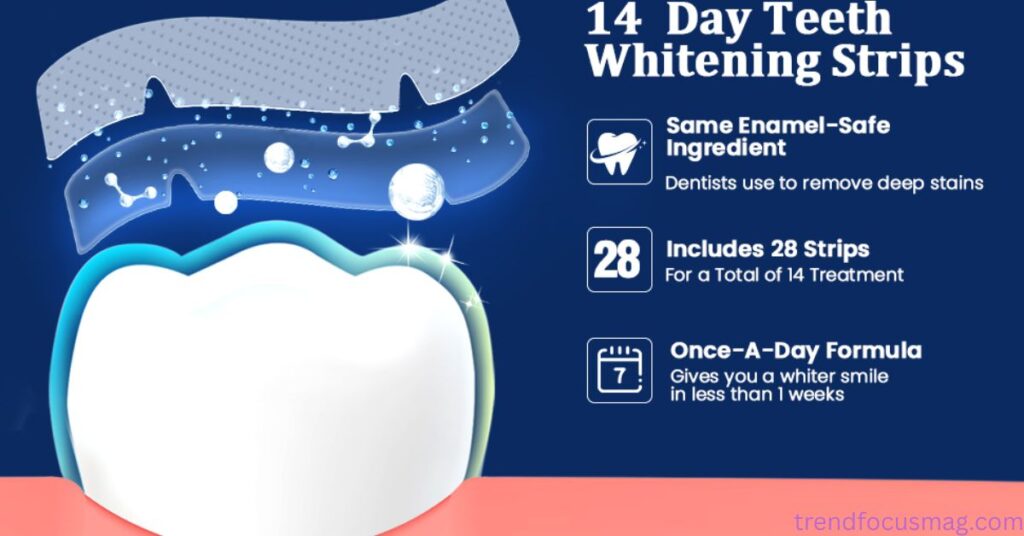
Results are typically positive: whitening strips help remove stains and brighten your smile. They do this by applying peroxide to remove stains on your teeth. Depending on the severity of the stains, after a couple of days or weeks, most people would notice the results when using them.
The efficacy of whitening strips may, however, differ with individual persons. Unless you have very deep or stubborn stains, the results are not going to be as dramatic. To ensure maximum success, one should carefully adhere to the instructions and wear the strips on a regular basis. They will be excellent when dealing with mild to moderate discolorations, but might not be effective when dealing with the more severe discolorations.
Are Whitening Strips Bad for Your Teeth?
The use of the whitening strips is not good when the instructions are not followed. Using them excessively or leaving them on too long may hurt the enamel, which is the outer coating of your teeth. This can cause extreme sensitivity or even dental caries if improperly carried out.
One should not take the instructions and place whitening strips more frequently than advised. They are designed so that people with sensitive teeth or gum problems can use them without consulting their dentist, though. When used correctly, whitening strips tend to be safe; however, when taken to excess, they may hurt your oral health.
Potential Risks and Side Effects
Although the effect of whitening strips is that they can make your smile shine, they possess certain risks when not used properly. Its excessive use or improper use can lead to the destruction of your teeth and gums. Some might find them sensitive or irritating to use. To prevent such side effects, it is necessary to apply whitening strips in the right way.
Are whitening strips bad for your teeth?
The most frequent risks and side effects are:
- Sensitivity of the teeth, particularly to hot or cold food.
- Irritation or pain in gums.
- Deterioration of tooth enamel through excesses.
- Whiteness can occur irregularly when the strips don’t cover the teeth.
You can opt for replacing some ingredients or cutting down on junk foods to reduce your overweight condition.
Teeth Sensitivity and Gum Irritation
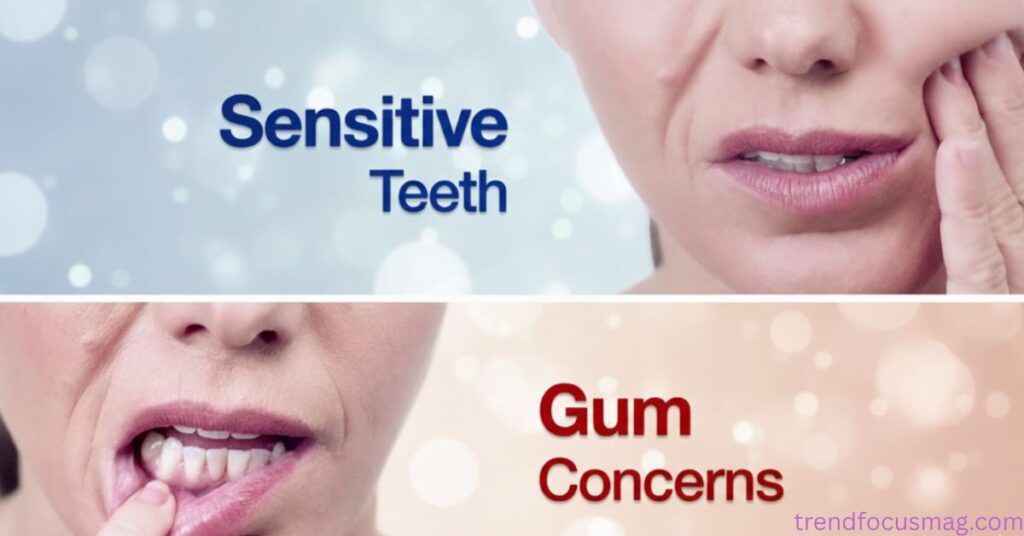
Teeth whitening strips may have some side effects, particularly when they are not used properly. Tooth sensitivity is one of the most common problems. Some of the effects of the strips include the fact that you might find your teeth are more sensitive to hot or cold food and beverages after using the strips. This sensitivity normally disappears after a few days.
Gum irritation may also be another side effect. The solution in the strips may even lead to pain or swelling if it touches your gums. Excess use of the whitening strips may also destroy the enamel, which is the outer coating of your teeth, and which causes permanent issues. In order to prevent these side effects, one should pay attention to the instructions and not use the strips too frequently.
Rules of Thumb
Whitening strips have a couple of fundamental guidelines that are to be followed when it comes to achieving great results. To begin with, it is always important to read and abide by the package instructions. Do not chew the strips longer than you are advised since it will lead to the damages of your teeth and gums. Ensure that the strips are applied to clean and dry teeth to be more adhesive and effective.
The other rule is that one should not use whitening strips too frequently. You should use the product in limited amounts because your teeth need time to recover after its application. The strips must be stopped immediately if you experience tooth sensitivity or gum irritation because you need to see your dentist for treatment. With these easy rules, you can have a brighter smile and at the same time not damage your teeth.
Safe Usage Tips (Dos and Don’ts)
The whitening strips are not harmful to use, but one has to start with the instructions on the package. Strips are recommended to be used when you have brushed your teeth and dried them.
The strips should be used for a maximum time of 30 minutes, which is the standard duration. The strips should be removed immediately if you experience any irritation or discomfort, and you should rinse your mouth with water. They can also be used at night, and no direct contact with food or drinks is taken.
Whitening strips should not be used excessively because their excessive application will lead to tooth and enamel destruction. The strips must only be used according to their recommended time, and they should never be applied to teeth that already have sensitivity or damage. Whitening strips should never be used in case of gum disease or any other oral health issues. Never hesitate to consult your dentist in case of any concerns or side effects.
Can Kids Use Whitening Strips?
The use of these strips should not be done for children who are under 18 years. Children have more sensitive teeth and an enamel less developed.
Whitening strips can lead to the pain and harm of its teeth and gums. These products should not be applied on young children.
Young people desiring to use whitening strips are required to pay a dentist to provide an assessment. The dentist will evaluate the safety and decide on the whitening treatment required for the patient, depending on his or her age and dental status. There is a need to exercise proper dental health by brushing and flossing the teeth daily among young children, which will assist them in attaining a bright, healthy smile.
Can Teens Use Whitening Strips?
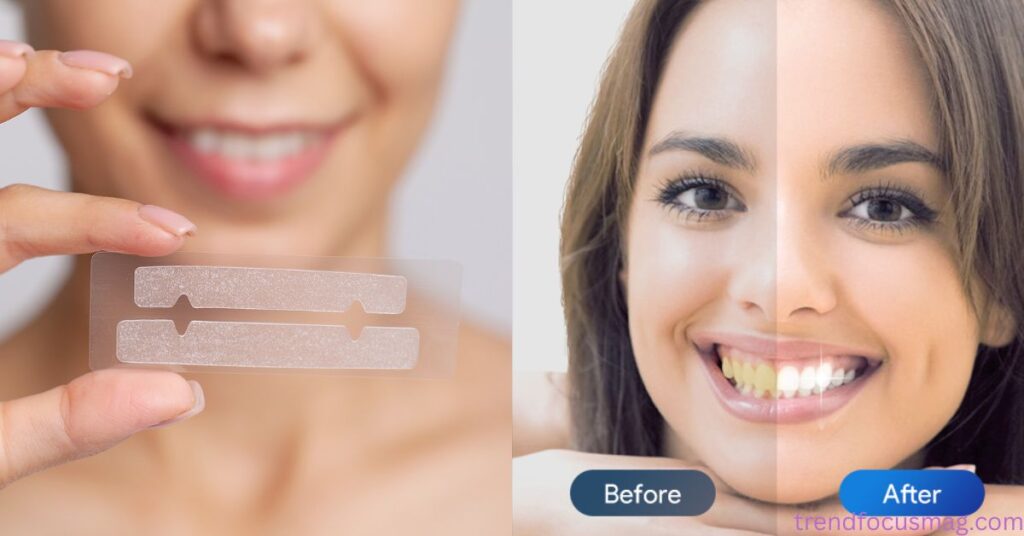
Teens can use whitening strips, but this should be considered. The use of whitening strips should not be overdone in teens since the teeth are still undergoing the process of development that leads to an increase in their sensitivity to the teeth and loss of enamel. Before turning to the use of whitening strips, teens should seek advice from a dentist who will give them a fair idea of whether their teeth will be safe.
Teens are supposed to follow the instructions well, provided the dentist approves them. They are not supposed to overuse the strips, and they should only use them in accordance with the recommendations. The selection of the whitening product should also be based on the fact that younger teeth will respond better to a different whitening product. Adolescents who use them correctly can be assured that these systems do work.
Who Should Be Cautious With Teeth Whitening Strips?
Whitening strips have fewer amounts of chemicals and wear away rapidly when compared to other treatments; it is therefore more useful for patients using sensitized teeth. Whitening strips can be very painful and lead to irritation of the gums or teeth which are sensitive. Individuals who have existing dental problems, such as cavities, gum disease, or enamel erosion, should not use the whitening products unless advised to use them by the dentist. These circumstances may predispose your teeth to destruction.
Pregnant women and women who breastfeed need to exercise caution with their activities. The medical professional should be consulted before using whitening strips because their safety cannot be established. You should stop using the strips when you experience any problems, and you need to see your dentist.
Are There Better or Safer Alternatives?
Whitening strips have better alternatives. Yes. In case you worry about the risks, you can request your dentist to do professional whitening. Dentists would be able to give you more controlled ones that would be less likely to harm your teeth. They can also aid in resolving any of the sensitive concerns and provide you with the best guidance regarding your oral health.
Another less damaging option is to make use of whitening toothpaste. The toothpaste products have the ability to remove surface stains without requiring the use of strong chemicals, which some whitening strips contain. People can achieve a bright smile through their dental routine, which includes brushing with fluoride toothpaste and maintaining proper dental care. The methods that he discovered provide a safer and more effective solution than whitening strips for people who need gentle treatment options.
Which Type of Teeth Whitening Method Is Right for You?
The best method of teeth whitening will require consideration of your needs and tastes. In case of such a desire, professional whitening with a dentist can be the best solution. Dentists have higher whitening medications and are able to provide more controlled therapies. It is the most effective approach when your stains are many or when you require quicker outcomes. The procedure presents safer options for patients who experience tooth sensitivity and those who have existing dental issues.
People have the option to choose less expensive options through the use of over-the-counter products, which include whitening toothpaste and home treatment kits. The inexpensive methods need time to show results. The application of whitening strips requires simple instructions, yet they do not work on difficult stains. You should choose your custom method according to your financial situation, available time, and current dental condition. People should consult their dentist before starting any teeth whitening procedure when they have uncertainty about which treatment to choose.
Effective Ingredients and Whitening Effects
Hydrogen peroxide is the ingredient that is most prevalent in teeth whitening products. It is enhanced by dissolving the stains on the enamel and removing them. A higher grade of concentration of hydrogen peroxide is employed in many professional treatments so that they can reduce the time needed to accomplish results and can be more observable. Carbamide peroxide is another such common ingredient, and it breaks down into hydrogen peroxide when applied to teeth and provides the same effect.
These amalgamate well with the elimination of surface stains such as coffee, tea, or even smoking. They might not, however, work as great on deep stains or discoloration. For more difficult stains, professional treatments that use higher levels of such ingredients tend to work better. Always follow the dosage instructions to prevent overuse, which may cause tooth sensitivity or damage.
Maintaining a Brighter Smile
You will have to keep a smiling face by means of daily oral care. You are supposed to brush your teeth using toothpaste at least three times a day. The reason why you will be able to maintain the cleanliness of your teeth on a daily basis is that food debris and plaque between your teeth are removed through flossing. Mouthwash may also be employed so that you can make your breath sweet and also maintain your teeth tidy.
In addition to brushing and flossing, do not eat or consume food and beverages that stain your teeth, including coffee, tea, and red wine. When you do eat them, wash your mouth with water then. You can also keep your white smile maintained through regular dental checkups and cleanings. A dentist will be able to scale away accumulated plaque and also check whether you are discolored or not, and keep your teeth at their best.
After-Whitening Care: How to Maintain That Bright Smile Through the Holiday Season
After whitening your teeth, you must observe a special precaution of keeping your smile straight all the time, especially during the season of the holidays. Food and beverages that are likely to cause stains (coffee, tea, wine, red wine) should also be avoided and also should not be done as they tend to demoralize the results in a relatively short period of time. Should you do it, wipe with water quickly as you may in order to diminish the vituperation. The dietary practice of consuming crunchy fruits and vegetables, which includes apples and carrots, will help maintain dental cleanliness.
The maintenance of your regular dental care procedures must continue without interruption. You should brush your teeth twice a day using whitening toothpaste, and you need to floss every day to remove plaque, which causes teeth discoloration. You should avoid smoking and tobacco products because they will damage your teeth and reverse your whitening results. With proper care, your shining smile can even get you through the holiday season.
Can Yellow Teeth Become White Again?
Yes, yellow teeth may be made white again by correct treatments. The use of topical agents, which include toothpaste and whitening strips, and dentist-prescribed professional treatments helps to remove surface stains from teeth while making them appear whiter. These outcomes will be related to the cause of the yellowing and the depth of the stains. With the frequent use of these products, the difference can be observed.
The yellowing occurs because deeper causes of yellowing need to be examined through different factors, which include enamel thickness and natural aging processes. The cases require professional dental treatments, which include bleaching and veneer application. You should discuss with your dentist to help in getting the best solution to your particular needs.
Comparison of Different Whitening Methods
The following table is a comparison summary of the details on the teeth whitening strips presented in terms of effectiveness, risks, and alternatives:
| Aspect | Whitening Strips | Professional Whitening | Whitening Toothpaste | At-Home Kits |
| Effectiveness | Ideal in mild and moderate stains. May will require days to weeks to see results. | Quicker product with professional-level ingredients. Can handle deep stains. | Eliminates external stains with time but is not very efficient on deep stains. | Slower, can require more time to bring results. |
| Ingredients | Included in it is hydrogen peroxide or carbamide peroxide. | Applies more peroxide concentrations to achieve quicker results. | Applies mild abrasives and even hydrogen peroxide. | May contain carbamide peroxide or hydrogen peroxide. |
| Risks | Has the potential to produce tooth sensitivity and gum irritation with excess. | Under professional supervision. Irritation might be experienced otherwise. | Less dangerous, although may be irritating or produce irregular effects when not used correctly. | Less dangerous, although may be irritating or produce irregular effects when not used correctly. |
| Best for | Removing surface stains that are as a result of coffee, tea or smoking. | Dark coloured stains or quicker. | Continuous upkeep and removal of stains on the surface. | Individuals seeking a cheaper and slower approach. |
| Ease of Use | Portable, convenient to use at home, and fast sessions, you do not need to visit a dentist. | Needs visit to the dentist, professional care. | Convenient and convenient to use on a daily basis. | Attractive in the house, follow the instructions. |
| Cost | Affordable. | Professional services will increase the cost. | Cheap, and included in routine oral care. | Affordable, but results vary. |
| Long-Term Results | Under good care, results last several months. | The professional care can make the results long-lasting. | Treatment outcomes are slow and need frequent practice. | There are mixed outcomes and regular use can produce long-term results. |
| Alternative Products | Smiling toothpaste or professional alternatives. | Veneers or bleaching of permanent stains on teeth. | Light-activated products or gels that whiten the teeth. | Highly personalized whitening trays or dentist-prescribed products. |
| Who Should Avoid | Patients with gum disease, highly sensitive teeth, or any dental problems. | Contraindicated in patients with fragile gums or broken enamel. | Very sensitive teeth may be uncomfortable to people. | Individuals facing extreme dental problems or pregnant individuals are advised to visit a dentist. |
| Maintenance | It needs periodic usage to sustain results. | Less maintenance is required. | Results can be maintained by regular flossing and brushing. | Needs to be persisted in order to be effective. |
The table is supposed to make a comparison between the various whitening procedures and provide an even better idea of the advantages and disadvantages of whitening strips compared to other alternatives.
Key Information
- Damage to enamel: Overuse in the long-term period is chronic and may result in erosion of enamel that is not renewable, and thus cause further decay and sensitivity of enamel.
- Side Effects: The commonest side effects are temporary, such as tooth sensitivity and gum irritation.
- Best Practices: The testing period requires users to wait six to twelve months before using ADA-approved products.
- Who Should Not: The first dental visit should be scheduled by patients who have untreated cavities and gum disease, extreme sensitivity, and who are pregnant or breastfeeding.
- Limitations: The dental work will remain unaffected by their presence because it does not impact dental procedures, which include fillings, crowns, and veneers.
Conclusion
Whitening strips can be a simple and cheaper method of making your smile bright. The product effectively removes surface stains that result from tea and coffee consumption and smoking. The product requires users to follow its instructions because excessive application will lead to tooth sensitivity and gum irritation. The dentist should approve whitening strip usage because it will provide better results for sensitive teeth and dental complications.
The use of whitening strips should be combined with professional procedures and whitening toothpaste, which serve as additional options for maintaining a bright smile. The two methods create both benefits and drawbacks, which require you to select the most suitable method according to your specific needs. Oral hygiene, coupled with dental care, will ensure that you keep on flashing a bright smile throughout your entire life.
Frequently Asked Questions
Do dentists recommend whitening strips?
Whitening strips are suitable for mild to moderate stains, but professional treatments by a dentist are generally more effective and safer.
Will whitening strips damage teeth?
Overuse of whitening strips can harm teeth and gums, causing sensitivity and irritation. Used as directed, they are safe.
What is the healthiest way to whiten your teeth?
The safest method for deep stains or sensitive teeth is professional whitening administered by a dentist.
What are the cons of Crest White Strips?
Crest White Strips can cause teeth sensitivity, gum irritation, and sometimes irregular results if not used correctly.
How long is too long to keep whitening strips on?
Leaving whitening strips on beyond the manufacturer’s recommended time can increase tooth and gum sensitivity and may cause damage.
Learn More:
About Filkizmiz253: A Digital Identity Explained
Top 10 Small Business Ideas for 2026

Our mission is to provide timely, trustworthy, and impactful stories that help our audience stay informed in a fast-moving world.